Winter can be a comfortable season for many expecting mothers, but colder temperatures also bring certain health challenges during pregnancy. Dry skin, dehydration, seasonal infections and changes in physical activity are some common concerns.
Taking proper care of your nutrition, hydration and daily routine can help you stay healthy and comfortable throughout your pregnancy.
If you are pregnant during winter, here are some important tips to protect your health and support your baby’s development.
1. Eat Healthy and Nutritious Foods During Winter
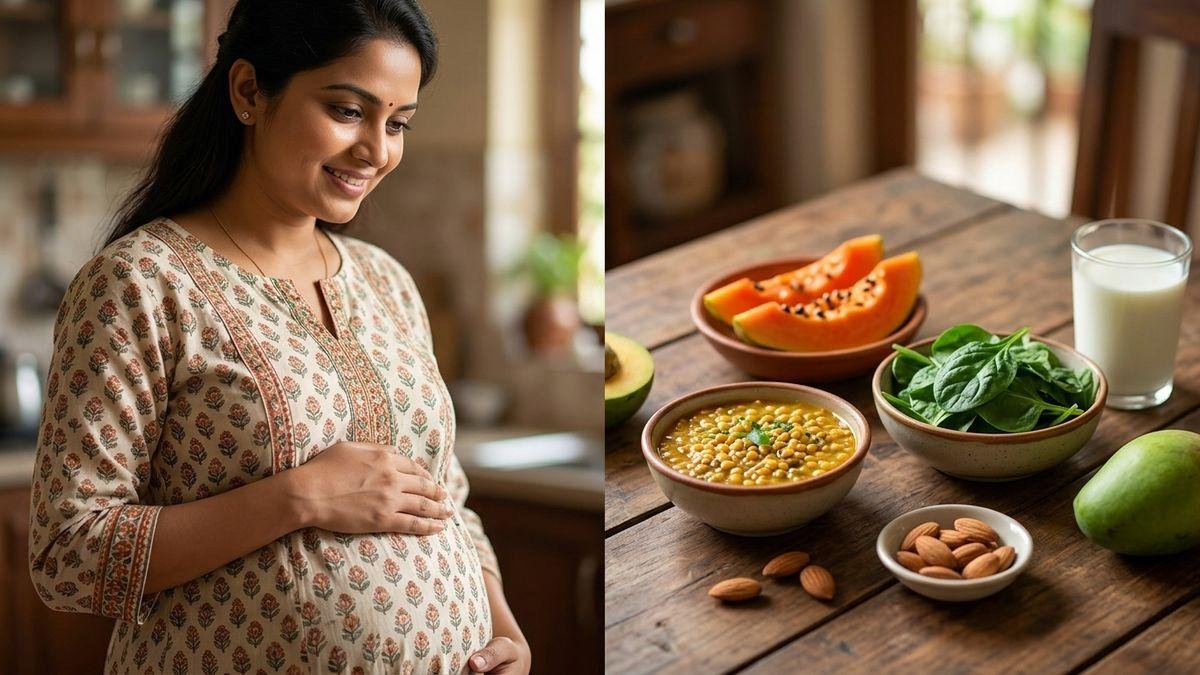
A balanced diet is essential during pregnancy. Winter is a great time to include fresh seasonal foods that provide important vitamins, minerals and nutrients.
Foods to include in your winter pregnancy diet:
Green leafy vegetables: Spinach, methi and broccoli provide folate, iron and fibre.
Seasonal fruits: Oranges, guava, apples and amla provide vitamins and antioxidants.
Nuts and seeds: Almonds, walnuts and chia seeds provide healthy fats and nutrients.
Protein-rich foods: Eggs, pulses, paneer and properly cooked lean meat support fetal growth.
Warm homemade soups: Vegetable and lentil soups provide fluids and essential nutrients.
Remember to wash fruits and vegetables thoroughly and eat a varied, balanced diet.
2. Stay Hydrated Even When It’s Cold

Many pregnant women drink less water during winter because they don’t feel as thirsty. However, adequate hydration remains important throughout pregnancy.
Try these simple habits:
Drink water regularly throughout the day.
Include milk, soups and other nutritious fluids.
Eat water-rich fruits such as oranges and watermelon.
Limit excessive caffeine intake.
Avoid relying on sugary packaged drinks.
Your hydration needs may vary depending on your health, activity and pregnancy stage.
3. Protect Your Skin from Winter Dryness
Hormonal changes and cold weather can make your skin feel dry and itchy during pregnancy.
Follow these skincare precautions:
Use a gentle, fragrance-free moisturizer.
Apply moisturizer after bathing.
Avoid very hot showers.
Use a mild cleanser.
Consult your doctor if itching is severe, persistent or particularly affects your palms and soles.
4. Stay Physically Active
Cold weather can make you less active, but gentle physical activity can support your overall well-being during pregnancy.
You can consider:
Walking indoors or outdoors when the weather is comfortable.
Pregnancy-safe yoga under professional guidance.
Gentle stretching exercises.
Following your doctor’s recommended activity routine.
Avoid strenuous exercise and activities that may increase your risk of falling. Always consult your gynaecologist before starting a new exercise routine, especially if your pregnancy is high-risk.
5. Take Precautions Against Seasonal Infections
Seasonal infections such as flu and respiratory illnesses can be a concern during pregnancy.
Some useful precautions include:
Wash your hands frequently.
Avoid close contact with people who are unwell.
Maintain good indoor ventilation.
Follow your doctor’s advice regarding flu and other recommended vaccinations.
Never take antibiotics or cold medicines without medical advice.
Seek medical attention if you experience fever, breathing difficulty or symptoms that are worsening.
6. Wear Comfortable and Warm Clothing
Keeping yourself warm and comfortable is important during colder months.
Choose breathable layers, comfortable footwear and clothing that does not restrict movement. Wear shoes with good grip to reduce the risk of slipping on wet or slippery surfaces.
7. Don’t Skip Your Regular Prenatal Check-ups
Winter should never become a reason to delay your pregnancy appointments.
Regular prenatal visits help your doctor monitor:
Your blood pressure and overall health.
Your baby’s growth and development.
Blood tests and ultrasound requirements.
Nutritional deficiencies, if any.
Any pregnancy-related complications.
Contact your doctor promptly if you notice reduced fetal movements, vaginal bleeding, fluid leakage, severe abdominal pain or other concerning symptoms.
Frequently Asked Questions (FAQs)
Q1. Which fruits are best during winter pregnancy?
Oranges, guava, apples, amla and other seasonal fruits can provide essential vitamins, fibre and antioxidants.
Q2. Can pregnant women drink warm water during winter?
Yes. Warm or room-temperature water is safe during pregnancy and can help you maintain adequate hydration.
Q3. Is walking safe during winter pregnancy?
Generally, yes, if your pregnancy is uncomplicated and your doctor has not restricted physical activity. Choose a safe walking area and comfortable weather.
Q4. Should pregnant women get a flu vaccine during winter?
Flu vaccination is recommended during pregnancy, but discuss the appropriate vaccine and timing with your healthcare provider.
Q5. When should I consult a gynaecologist during winter pregnancy?
Continue routine prenatal appointments and seek medical advice promptly for fever, breathing difficulty, bleeding, reduced fetal movements or other unusual symptoms.
Conclusion
Winter pregnancy care is all about maintaining a healthy diet, drinking enough water, staying active and following necessary precautions. Small daily habits can make a meaningful difference to your comfort and well-being.
Every pregnancy is different, so follow a care routine suited to your individual health needs.
Need expert pregnancy guidance?
Consult Dr. Pooja Choudhary, Obstetrician & Gynaecologist, for personalised pregnancy care, high-risk pregnancy management and women’s health consultations.
Book Your Appointment Today.